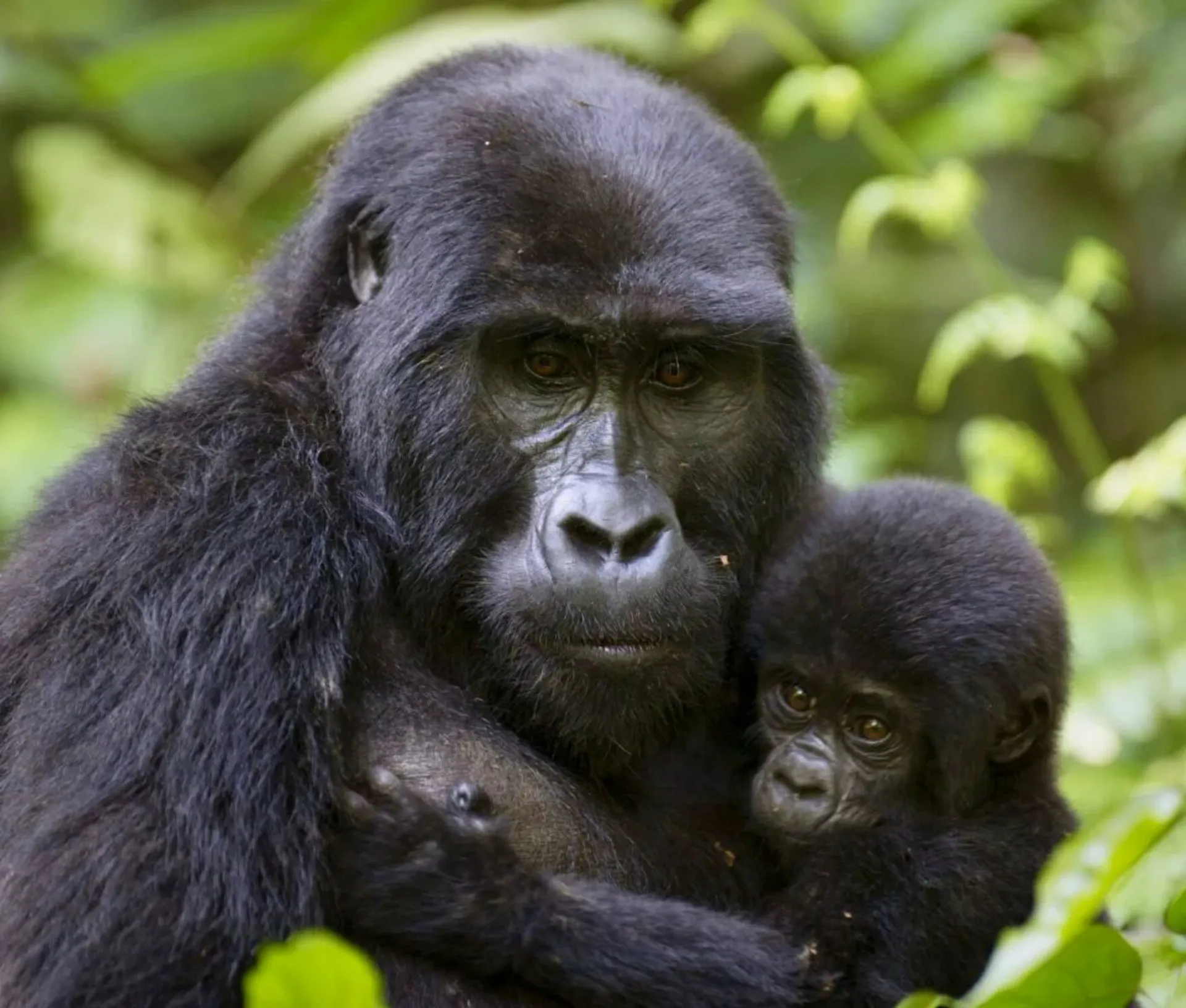
For decades, the “Roar of the Safari Vehicle” was the soundtrack to an African adventure. But in 2026, the soundtrack is changing. A “Silent Revolution” is sweeping through East Africa, specifically in the lush, emerald corridors of Burundi and Rwanda. As travelers become more selective and environmentally conscious, the focus has shifted from mere “sightseeing” to Regenerative Travel.
At East Africa Bridge Tours, we are seeing a record surge in demand for itineraries that leave nothing but footprints—and perhaps a few seeds of change.
The Rise of the “Silent Safari”
The most significant tech shift for 2026 is the widespread adoption of Electric Safari Vehicles (EVs). In parks like Nyungwe (Rwanda) and Kibira (Burundi), these silent gliders allow for a wildlife experience unlike any other:
- Unhindered Audio: You can hear the rustle of a chimpanzee in the canopy or the low chirp of a rare bird without the vibrations of a diesel engine.
- Animal Behavior: Predators and primates are visibly more relaxed around silent vehicles, allowing for closer, more natural encounters.
- Zero Emissions: Preserving the very air that these delicate ecosystems depend on.
Hidden Gems: Beyond the Tourist Trail
While the world knows the Serengeti, the 2026 traveler is seeking the “unmapped.”
- Burundi’s Lake Tanganyika: Imagine a Mediterranean vibe in the heart of Africa. The new eco-lodges along the shores are built using Regenerative Architecture—locally sourced bamboo and clay that blend seamlessly into the coastal landscape.
- The Teza Tea Plantations: High-altitude luxury walks through these rolling green hills offer a peaceful, cultural immersion that feels worlds away from the crowded safari circuits of the past.
Community-Led Conservation
Eco-luxury in 2026 isn’t just about high-thread-count sheets; it’s about community integration. Lodges like the newly opened Erebero Hills (near the Rwanda-Uganda border) operate on a model where a direct percentage of every guest’s stay goes into local education and reforestation.
When you stay at these properties, you aren’t just a guest; you are a patron of the forest. The guides are often former poachers turned protectors, offering a depth of knowledge that only a lifetime in the bush can provide.
Why Choose a Regenerative Safari?
- Exclusivity: These locations are niche and limited in capacity. You won’t find 20 vehicles crowded around a single lion here.
- Personal Growth: There is a profound sense of peace that comes with knowing your presence is actively helping a landscape heal.
- Advanced Comfort: Modern eco-lodges utilize high-tech solar power and passive cooling, proving that “Green” can also mean “Gold Standard” luxury.
Ready to join the revolution? View our Burundi & Rwanda Eco-Packages or contact us to build a custom, zero-carbon itinerary for your 2026 adventure.
